
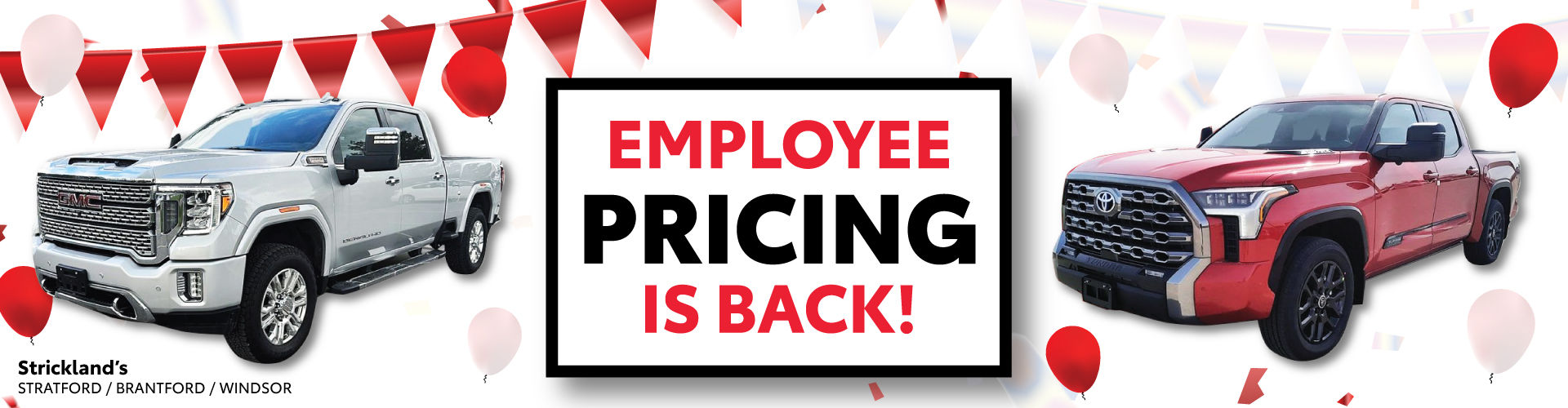



Browse Our Inventory
Our Pre-Owned Vehicles at Strickland's Automart
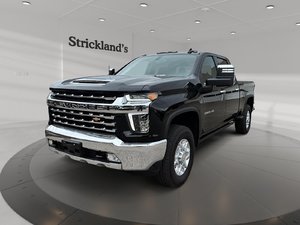
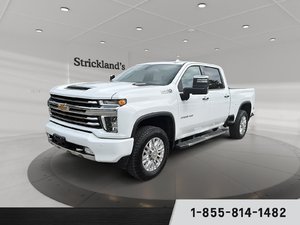
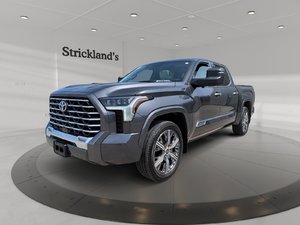
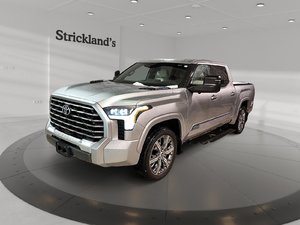
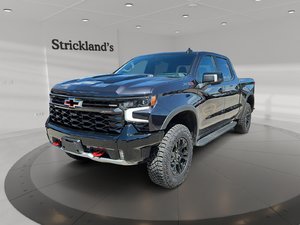
*Offer details
*
While every reasonable effort is made to ensure the accuracy of this information, we are not responsible for any errors or omissions contained on these pages. Please verify any information in question with a sales representative. Information being displayed may not match the exact vehicle being displayed.
* * Advertised price includes Registration fees and $10 OMVIC fee. HST and licencing extra.
* * Advertised price includes Registration fees and $10 OMVIC fee. HST and licencing extra.
Welcome to Strickland's Automart
If you are looking for the best possible dealership service and vehicle buying experience, you will find it when you come through our doors. We take pride in helping our clients and giving them the best service, and we know you will be more than satisfied with our entire team and the quality of our new and pre-owned vehicles. Once you become an owner, our after-sales services will exceed your expectations every visit.
Discover the Strickland's Automart Difference in Stratford
Regardless of the type of vehicle you want, we have it in stock and ready to go in our new and pre-owned vehicle departments. However, the best part about doing business with us is the professional service you will receive throughout the car buying process. We guarantee that you will be amazed at our dedicated team's transparency, knowledge, expertise, and willingness to help. If you are in the market for a new or pre-owned vehicle, visit us first so that you can set the benchmark for quality and service.
We will be happy to help you with new vehicle financing and pre-owned vehicle car loans at our financing department. Our financing experts have been in the game for a long time, and they will be able to find the solution you are looking for to purchase the dream vehicle you have set your eyes on. Regardless of your budget, situation, or credit, we can help you find the right vehicle at the right price with the right financing
Dedicated After-Sales Service from Strickland's Automart in Stratford
After you purchase your new or pre-owned vehicle, you will be happy to know that we offer our customers a dedicated service centre and a wide range of after-sale services, including maintenance, repairs, genuine parts and accessories, and every other service you need to keep your vehicle in perfect condition. We can promise you will be satisfied whenever you leave our service centre. If you want to keep your vehicle running like it was new for years to come, trust our service centre and experienced technicians.
